Is Costa Rica Safe? Crime, Driving and Beach Hazards
In this guide
Costa Rica is at Level 2, Exercise increased caution on the US State Department’s four-step scale, because of crime. That is the same level the State Department currently gives Peru and the Dominican Republic, and there are no Level 3 or Level 4 zones inside the country. Canada’s wording is “exercise a high degree of caution”; the UK runs no regional warnings at all.
The short answer: yes, Costa Rica is safe enough for an ordinary holiday, and millions of people take one there every year without incident. But the risks are specific, and they are not the ones most people worry about. In order of how likely they are to affect you: theft, especially from rental cars; the ocean, which kills more tourists than crime does; the roads; and, much further down, violent crime, which is real and rising in some areas but mostly gang-related and concentrated away from tourist hotels.
This guide summarises the US, UK and Canadian government advice and CDC health notices as read in October 2026. Advisories change, so check the State Department’s Costa Rica advisory in the week you travel.
What the three governments say
| Source | Rating | What it emphasises |
|---|---|---|
| US State Department | Level 2, Exercise increased caution (2 April 2026) | Petty crime common everywhere; violent crime “also affects tourists”, including armed robbery, homicide and sexual assault |
| Government of Canada | Exercise a high degree of caution (page updated 14 Oct 2026) | Theft hotspots by name, car break-ins, gang violence by province, riptides |
| UK Foreign Office | No regional warnings (updated 19 May 2026) | Atlantic-coast theft, rising gang shootings, methanol, drowning statistics, crocodiles |
| CDC | Level 2 health notice | Chikungunya outbreak in the northwest; hepatitis A outbreak in San José province |
The State Department’s summary is three sentences long, and the third is the one that changed the tone in recent years: violent crime “also affects tourists”. The UK adds that gang-related violence, including shootings, “has become more frequent in urban areas, including some locations popular with visitors”. Neither government says tourists are being targeted for violence; both say you should not assume the country is the crime-free postcard it is sometimes sold as.
Where crime concentrates
Canada’s advice is the most useful here because it names places. Its list of theft hotspots:
- San José: the Coca-Cola bus terminal area, the inner downtown grid between the San Juan de Dios Hospital, the National Museum, Avenida 1 and Avenida 14, the Mercado Central area and public parks.
- Central and southern Pacific (Puntarenas province): Jacó, including the Tárcoles River crocodile viewpoint, Quepos, Manuel Antonio National Park, Dominical, and the Cóbano area with Santa Teresa, Montezuma and Mal País.
- Caribbean coast: Cahuita, Puerto Limón and Puerto Viejo.
For violent crime, Canada names the provinces of Alajuela, Limón, Puntarenas and San José as most affected, and says most incidents are linked to gangs and drugs. It also notes that violent assaults on travellers, while not frequent, have occurred in Puerto Limón and Puerto Viejo. The UK makes the same point from a different angle: muggings and theft are “significant problems, particularly on the Atlantic coast”.
Read that list for what it is. It includes most of the places on a standard first trip, from Manuel Antonio to Santa Teresa, so it is not a list of places to avoid. It is a list of places where you keep your phone in your pocket, lock the hotel safe and do not walk deserted beaches after dark. Our Manuel Antonio guide covers the park itself.
Passports deserve a separate line. Canada calls passport theft “extremely common”, peaking in the high seasons of November to May and July to August. Carry a photocopy day to day; the UK says police will usually accept a printed copy as long as the original is somewhere safe.
Taxis, buses and getting around
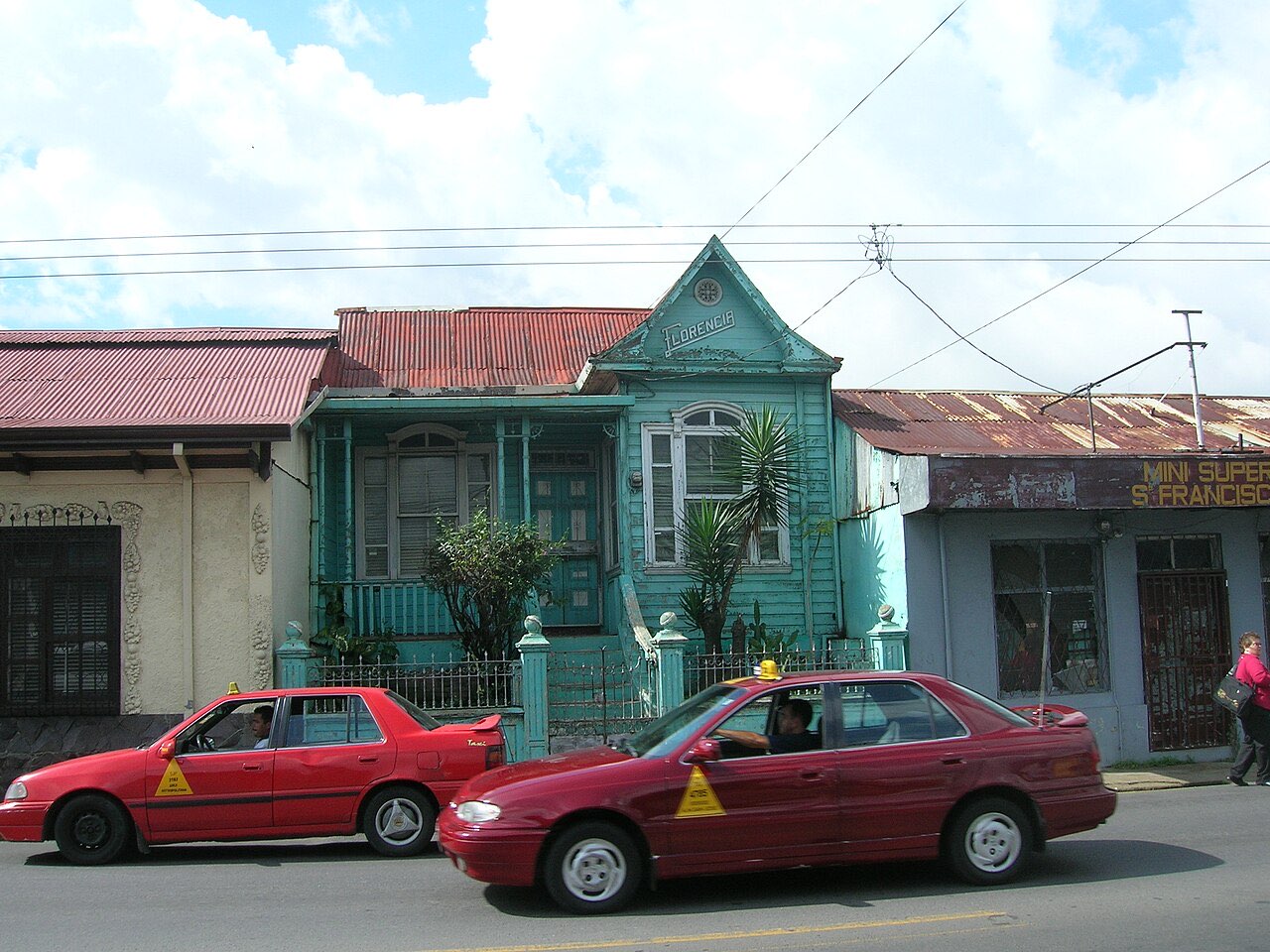
The UK gives the clearest rule for taxis. Official cabs are red (or orange at the airport), with a triangular sticker on the door and a roof box showing the company name and number. The driver’s ID should be visible on the dashboard and the meter running. Unofficial cars, known as taxis piratas, are the ones to avoid; radio-dispatched taxis are the safest choice.
On public buses and in bus stations, the advice from both Canada and the UK is the same: keep luggage in sight, and expect a two-person routine where one thief distracts you while the other takes a bag. Canada adds airport terminals, hotel lobbies and street-side restaurant patios to the list of places where this happens.
The ocean is the most serious risk
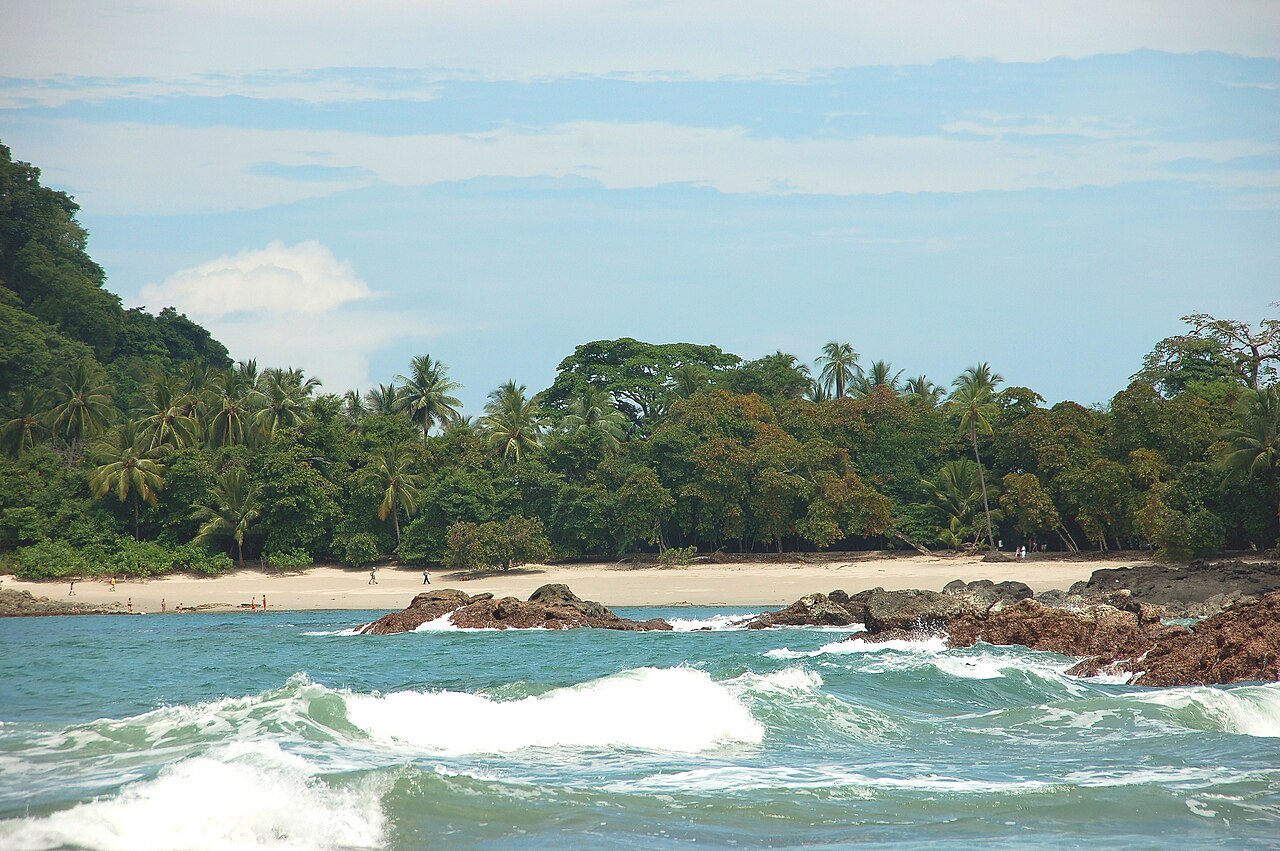
If you read one section, read this one. The UK Foreign Office states that drowning is the second most common cause of accidental death in Costa Rica, averaging 50 to 60 deaths a year recently, and that a third of them were tourists. The State Department identifies rip currents as the leading cause of drowning among US citizens there.
Three facts make Costa Rica’s beaches more dangerous than they look:
- Rip currents are very common, on both coasts and especially on open surf beaches.
- Very few beaches have lifeguards. Canada adds that “there are no warning signs of dangerous conditions”. A calm-looking, empty beach is not evidence that it is safe.
- Currents are fast. NOAA says a rip can move at up to eight feet per second, faster than an Olympic swimmer.
What to do about it, using NOAA’s guidance:
- Ask before you swim. Your hotel, a surf school or a local tour operator knows which beaches and which tides are dangerous.
- Look for the rip. A darker, calmer channel between breaking waves, or a line of foam and debris moving out to sea, is a warning, not an invitation.
- If you are caught, do not fight it. Float, and swim parallel to the shore until you are out of the current, then angle back in.
- Do not swim alone, at night or after drinking, and keep children within arm’s reach in the surf.
Two other water hazards are worth knowing. The UK reports regular crocodile sightings along the Pacific coast near surf beaches from Playa Azul down to Playa Esterillos, with attacks in recent years: do not swim at river mouths. And it notes recent fatalities on snorkelling tours and small-boat incidents in Tortuguero, while Canada says safety equipment on small river and lake boats “is not always reliable”. Choose established operators and check there are life jackets for everyone before you leave the dock.
Driving: theft first, then roads
Most visitors who drive in Costa Rica have no serious trouble, but rental cars attract a particular kind of crime. Canada calls car break-ins “very common throughout the country”, with rental and luxury vehicles a target of choice, and lists hotel, supermarket, national park and beach car parks as the usual locations.
The specific tricks the governments describe:
- Key-fob jammers. Thieves block the lock signal, so the doors never lock. Both the State Department and Canada say to check the doors by hand every time.
- The tyre-slash scam. According to the UK, someone slashes a tyre, then offers to help you change it while an accomplice takes what is in the car. Canada adds: do not stop to change a flat in an isolated spot.
- Staged collisions. The UK warns that criminals sometimes cause deliberate collisions to stop cars. If you believe that is what happened, drive on to a police station or garage and be ready to explain why to the traffic police.
- Nothing in the car. The UK says not to leave luggage in a parked car, “either in view or in the boot”. Plan days so that bags go straight from the airport to the hotel.
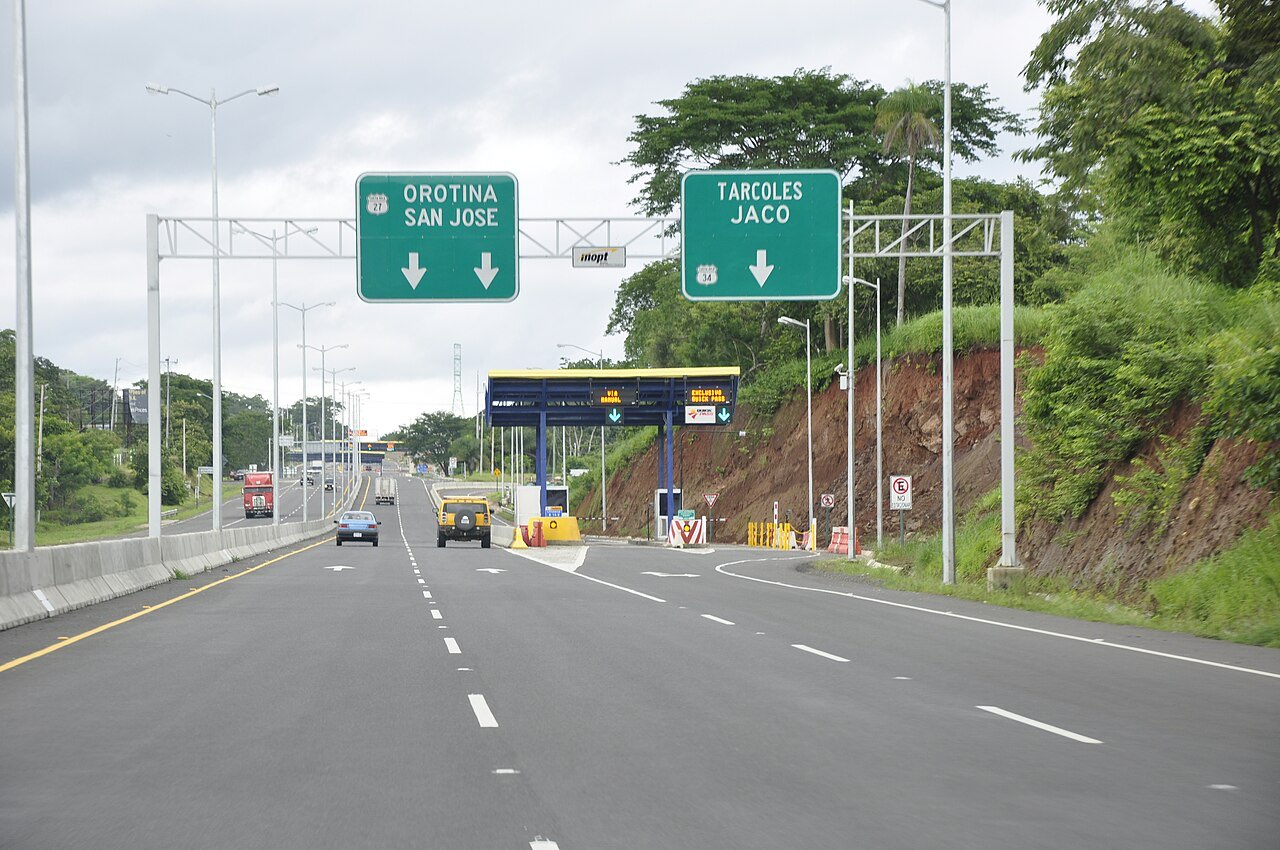
The roads themselves are the other half. Canada says Costa Rica has “one of the highest traffic accident rates in the world”. The State Department describes potholes, narrow shoulders, poor signs and single-lane bridges, advises against driving outside urban areas at night, and warns that routine traffic fines can exceed US$500. After a crash involving injury or a dispute, you must not move the car until the traffic police (tránsito) and the INS insurance investigator have both made reports. Our Costa Rica driving guide covers insurance, the San José plate restriction and rainy-season roads in detail.
Drinks, nightlife and personal safety
Two warnings overlap here. The UK reports deaths and serious illness from methanol in alcoholic drinks, apparently from criminal manufacture of cheap local spirits, including vodka and guaro (cane liquor), and stresses that methanol cannot be detected by taste or smell. Canada reports casualties from adulterated alcohol too. Stick to sealed, recognisable brands and established bars, and get medical help quickly if someone becomes unusually ill after drinking.
Both governments also warn about spiked drinks used to rob or sexually assault victims, and the UK says rapes and sexual assaults have increased, some apparently targeting tourists. Canada mentions assaults at beach resorts and by taxi drivers in San José. The basics are dull but effective: do not leave a drink unattended, use registered taxis at night, and stay with people you know.
Drugs are the other line not to cross. The UK states that the minimum sentence for possession or trafficking is eight years.
Health risks
The CDC currently has two notices for Costa Rica: a Level 2 chikungunya outbreak in the northwest, and a Level 1 hepatitis A outbreak, with most cases in San José province. Dengue is a year-round risk, and the CDC recommends malaria prevention medicine for certain areas. In practice that means insect repellent every day, and a conversation with a travel clinic a few weeks before you go about hepatitis A and whether your route needs anything else. See the CDC’s Costa Rica page for the current list.
Medical care is “of a generally high standard”, according to the UK, but only initial emergency treatment is free for visitors, and private hospitals expect payment up front. Canada recommends insurance that covers helicopter rescue and medical evacuation if you plan adventure activities. Check that zip-lining, rafting and surfing are not excluded from your policy; the UK points out they often are.
Natural hazards
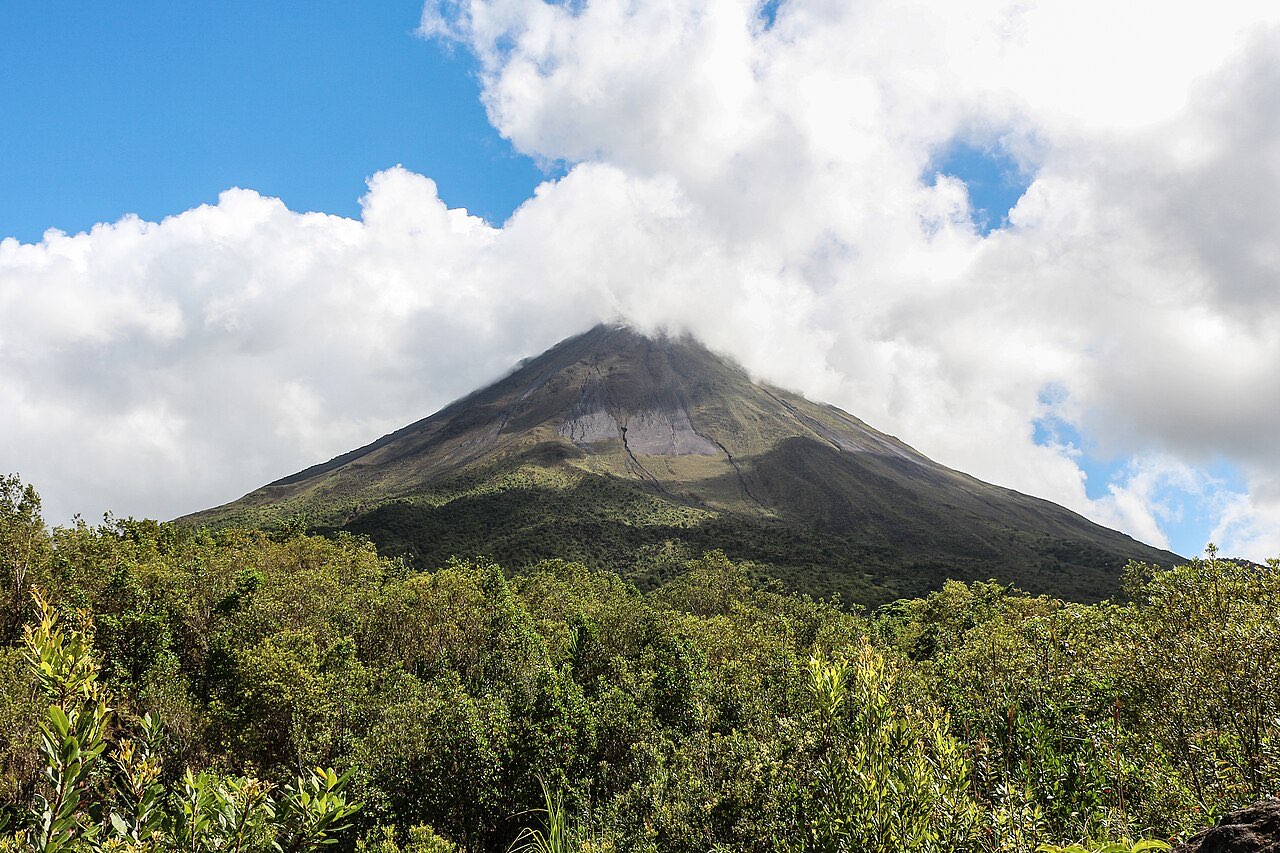
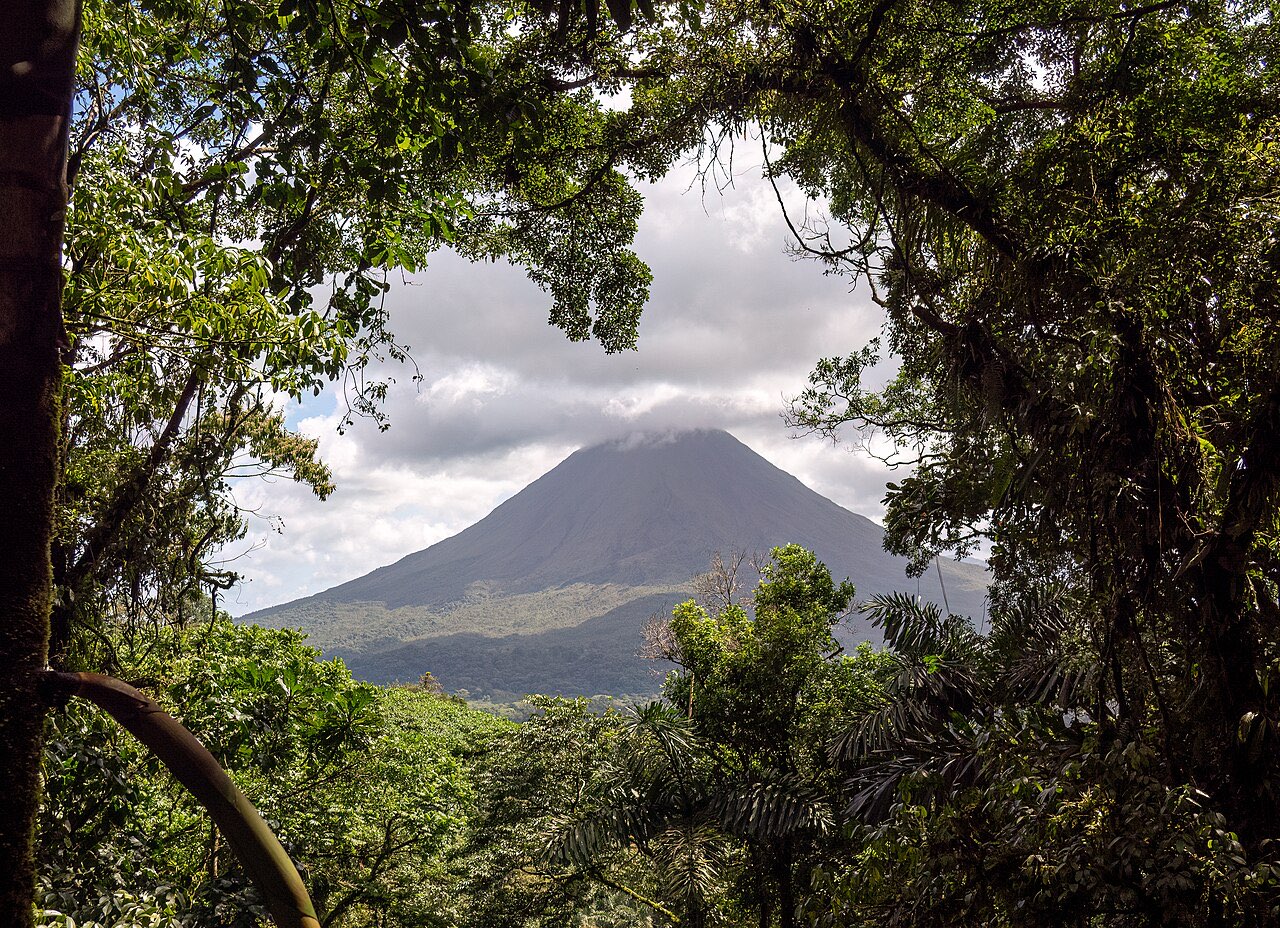
Costa Rica is earthquake and volcano country. The UK counts 16 volcanoes, several active, and notes a significant series of eruptions at Poás recently. Check park status before planning a volcano visit. The rainy season brings flooding and landslides that close roads, mostly between June and November, and Canada says El Niño conditions are expected to strengthen into 2027. Our rainy season guide and best time to visit guide cover what that means for an itinerary.
A practical safety checklist
- Check the State Department page and the UK advice before you leave.
- Carry a passport photocopy; leave the original in the hotel safe.
- Take only red (or orange airport) taxis with the triangle sticker, or radio cabs.
- Leave nothing in the car, ever, and check the locks by hand.
- Do not drive rural roads after dark.
- Ask locally before swimming, avoid river mouths, and never swim alone.
- Drink sealed, branded alcohol and never leave a glass unattended.
- Buy insurance with medical evacuation, and check what activities it excludes.
- Save 911 and your embassy’s number in your phone.
So, is Costa Rica safe?
For a normal holiday of beaches, volcanoes and cloud forest, yes. The State Department rates it no higher than many places Americans visit without a second thought, and none of the country is off limits. What separates a good trip from a bad one is not luck, it is three habits: an empty rental car, a healthy respect for the surf, and daylight driving. Get those right and you have dealt with most of the real risk.
If you are still planning, start with Costa Rica visa and entry requirements — US travelers do not need a visa for a stay under 180 days — and our list of common Costa Rica mistakes.
Frequently asked questions
What is the current US travel advisory level for Costa Rica?
Level 2, Exercise increased caution, because of crime. The State Department's advisory feed dates it to 2 April 2026 and summarises it in three sentences: petty crime is common throughout the country, violent crime also affects tourists, and that includes armed robbery, homicide and sexual assault. There are no Level 3 or Level 4 regions inside Costa Rica. Canada's equivalent is 'exercise a high degree of caution', also because of crime.
What is the biggest danger to tourists in Costa Rica?
Statistically, the ocean. The UK Foreign Office says drowning is the second most common cause of accidental death in Costa Rica, averaging 50 to 60 deaths a year recently, a third of them tourists. Rip currents are very common, very few beaches have lifeguards, and Canada notes there are no warning signs of dangerous conditions. Theft is far more likely to happen to you, but drowning is the risk most likely to be fatal.
Which parts of Costa Rica have the most crime?
Canada names specific theft hotspots: downtown San José (the Coca-Cola bus terminal area, Mercado Central and the inner downtown grid), the central and southern Pacific (Jacó, the Tárcoles crocodile viewpoint, Quepos, Manuel Antonio, Dominical, Santa Teresa, Montezuma and Mal País) and the Caribbean coast (Cahuita, Puerto Limón and Puerto Viejo). It lists Alajuela, Limón, Puntarenas and San José as the provinces most affected by gang and drug violence. The UK says muggings and theft are worst on the Atlantic coast.
Is it safe to drive a rental car in Costa Rica?
It is common and workable, but rental cars are a favourite theft target. Canada and the UK both warn about break-ins at beach, park, hotel and supermarket car parks, key-fob jammers that stop doors locking, and a tyre-slash scam where a 'helper' distracts you while an accomplice empties the car. The State Department advises against driving outside urban areas at night. Never leave anything in a parked car, including in the boot.
Is it safe to drink alcohol in Costa Rica?
Drink from sealed bottles and established bars. The UK Foreign Office reports deaths and serious illness from drinks containing methanol, linked to cheap local spirits including vodka and guaro, and Canada reports casualties from adulterated alcohol. Both governments also warn about spiked drinks used in robberies and sexual assaults. Never leave a drink unattended.
What number do I call for an emergency in Costa Rica?
911 for police, ambulance and fire. For a traffic accident, the UK lists the traffic police (tránsito) on 2222 9330 or 2222 9245 and the INS insurance investigator on 800 800 8000, and the State Department says not to move the vehicle until both have reported. The US Embassy in San José is on +506 2519 2000.
Keep planning
- Costa Rica Visa & Entry Requirements (2026)
Costa Rica visa requirements for US travelers: no visa for stays under 180 days, passport and onward-ticket rules, and no digital arrival form.
Updated Nov 2026 - Best Time to Visit Costa Rica: Dry, Green and Shoulder Season
Best time to visit Costa Rica month by month: Pacific dry season dates, why the Caribbean is driest in September, and green season prices.
Updated Oct 2026 - Costa Rica in 10 Days: Volcano, Cloud Forest and Coast
A realistic 10-day Costa Rica itinerary — La Fortuna, Monteverde and Manuel Antonio — with honest drive times, official park fees and the booking rules.
Updated Oct 2026